Can a Holding Tank Prevent Remote Toilet Overflow?
Yes, a holding tank can reduce overflow risk when it adds needed waste capacity and the system is properly sized and serviced. It does not remove the need to plan for attendance, pumping, and truck access. Ephraim’s seasonal temperature swings can affect tank and hose handling, so share expected conditions when arranging service.
Cold weather calls for protecting toilet units from freezing; otherwise, frozen components can interrupt use. Exposed sites also need practical upkeep: limited summer rain can leave ground dusty, so plan a stable placement area and keep dust from complicating access.
Near Snow College and elsewhere in Ephraim, we can help assess the site and service plan before drop-off.
Can added waste capacity prevent an overflow?
A portable toilet tank filling sooner than expected is a signal to reassess capacity and use, not simply to add storage without a plan. A holding tank can provide extra sealed waste storage, but it does not automatically prevent overflow. The connected setup must be appropriate for the units and expected use, and a pump-out still has to happen before capacity is exhausted. A tank left unattended only postpones the problem.
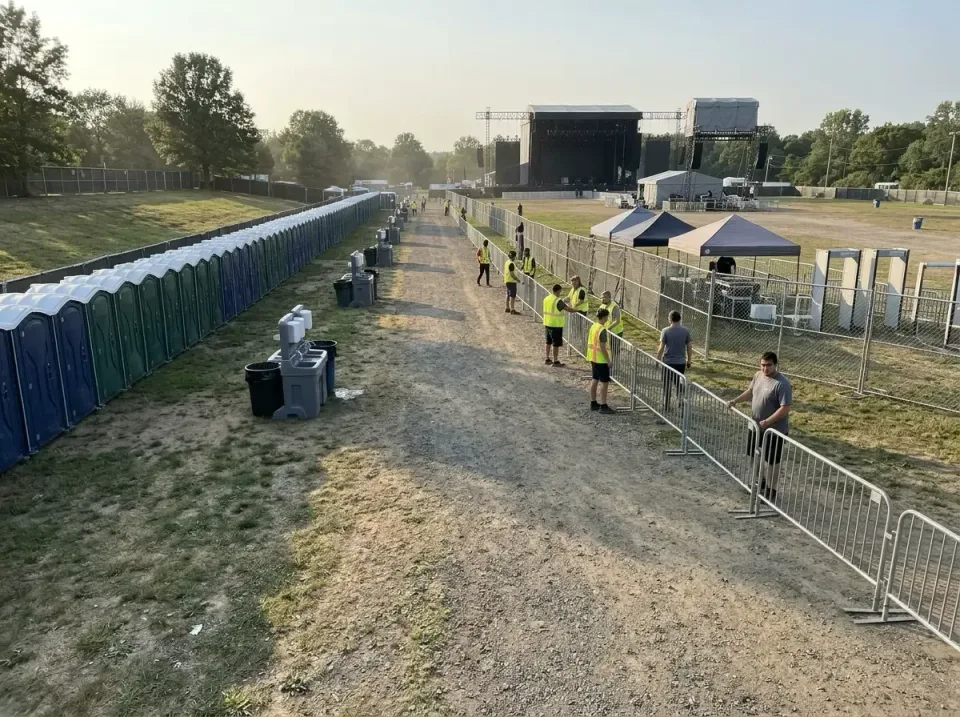
We look at how many people will use the site, how long it will operate, and whether a service vehicle can reach the equipment. Hot, dry summer afternoons increase restroom use, so a remote job or gathering can put more demand on the system than a quiet-day estimate suggests.
For work near Snow College Sorensen Administration Building, plan around actual attendance and activity rather than assuming the added tank is a substitute for scheduled service. Our remote site toilet rental planning starts with those practical details.
What site conditions can change the plan?
Strong sunlight can heat an enclosed portable toilet, making placement and shade worth discussing when a remote site has little natural cover. That heat does not itself establish how quickly a waste tank will fill, but it can affect comfort and encourage users to seek other facilities. Subfreezing nights are possible in spring and fall; we recommend discussing protection and service timing before those overnight temperatures arrive.
Rain creates a different access concern. Summer thunderstorms may bring brief heavy rain, and runoff can collect in low spots, so choose a stable placement location rather than a convenient depression.
Near Ephraim City Library or a work area by North Main Street, the exact site matters more than the landmark: tell us where trucks can enter, turn, and stop. We have seen a workable service plan fail because access was described generally but the actual unit location was not.
When should you call a pro instead of improvising?
You can check attendance estimates, clear a route, and identify a level placement area yourself. Stop there if you are unsure how a holding tank connects, where waste should go, or whether a service truck can safely reach the equipment. Do not try to transfer or dispose of toilet waste on your own; arrange qualified pumping and proper handling instead.
A remote location makes timing and access part of the capacity decision. For example, a site near Manti-La Sal National Forest may need its route and turning space checked before delivery is booked.
Share gate details, a contact person, expected use, and any change in access. We use that information to discuss placement and a workable pump-out plan, rather than promising that extra storage alone will solve every overflow risk. For broader planning, see our guide to portable toilet servicing.
How should you judge the service plan?
A holding tank helps only when its capacity, expected use, and pump-out timing work together. If use rises, the schedule may need to change; if access fails, even a correctly sized setup can become difficult to service. Keep a simple record of reported fill levels, visits, and changes in attendance, then tell the rental provider when the pattern shifts.
We also ask customers to flag site changes before they move equipment or block the route. Subfreezing nights can affect exposed hoses and fittings, while warm afternoons can make a busy unit less comfortable.
The useful question is not just whether another tank fits onsite, but whether the whole system can be reached and serviced before it fills. That is the difference between added capacity and a reliable overflow-prevention plan.
Which Tank Setup Fits a Remote Ephraim Site?
Choose based on how many people will use the site, how often service can reach it, and how much space the setup needs. The local high-elevation climate near 5,500 feet makes route and equipment planning worth discussing.
Access along Utah State Route 29, U.S. Route 89, or local approaches such as East 300 South can affect delivery logistics; confirm the exact site route rather than assuming the road name describes final access.
| Option | Best for | Key detail |
|---|---|---|
| Standard portable toilet | Smaller or lower-use remote sites | Single-occupant unit; consider added storage if projected use could exceed its capacity. |
| Portable toilet with holding tank | Sites where added sealed waste storage is needed | Extra capacity does not replace scheduled pumping or truck access. |
| ADA portable toilet | Sites needing wheelchair-accessible facilities | Larger interior footprint; leave room for accessible approach and maneuvering. |
| Restroom trailer | Higher-demand sites needing multiple stalls | Two- or three-stall layouts need suitable towing and placement access. |
Confirm the unit location and service route before choosing a setup.
How Do You Prepare a Remote Site for a Holding Tank?
A remote work crew reports that a toilet is filling faster than expected, but the access road is dusty and the service truck has not been planned for. Start by confirming the route and use level before requesting added storage.
Low humidity can dry Ephraim soil and increase dust, so keep the truck approach clear and identify a firm stopping area. If the site is near Ephraim Creek, describe the actual unit location rather than relying on a broad area reference.
-
Estimate use: Share expected attendance, work hours, and how long the site will operate.
-
Confirm truck access: Give the provider the gate code, site contact, and turning or parking limits.
-
Choose placement: Mark firm, level ground and leave service panels and doors unobstructed.
-
Set service timing: Agree on pump-out frequency and how to report a rising fill level.
-
Plan delivery and pickup: Schedule drop-off before use and request removal when the site closes.
For a site near Snow College Eccles Center, check whether event or work activity changes access before delivery. Ask the provider to review the route and placement before confirming the plan.
Ready to Plan a Holding Tank for Your Ephraim Site?
A holding tank can add useful waste capacity, but overflow prevention still depends on realistic use estimates, accessible placement, and scheduled pumping. If a remote toilet is filling quickly, contact the rental provider before it reaches capacity and explain what has changed.
At Ephraim City Hall or Ephraim City Park, event organizers should confirm the placement area and access arrangements before delivery. Ephraim Main Street work sites may also need a clear route for the service vehicle.
Spring snowmelt can leave construction access muddy, so identify a firm approach before arranging a visit. Our crew can review your site details, explain the service plan, and help you choose suitable holding tank rental for your Ephraim project. Call (844) 402-2049 to discuss access and request a quote.